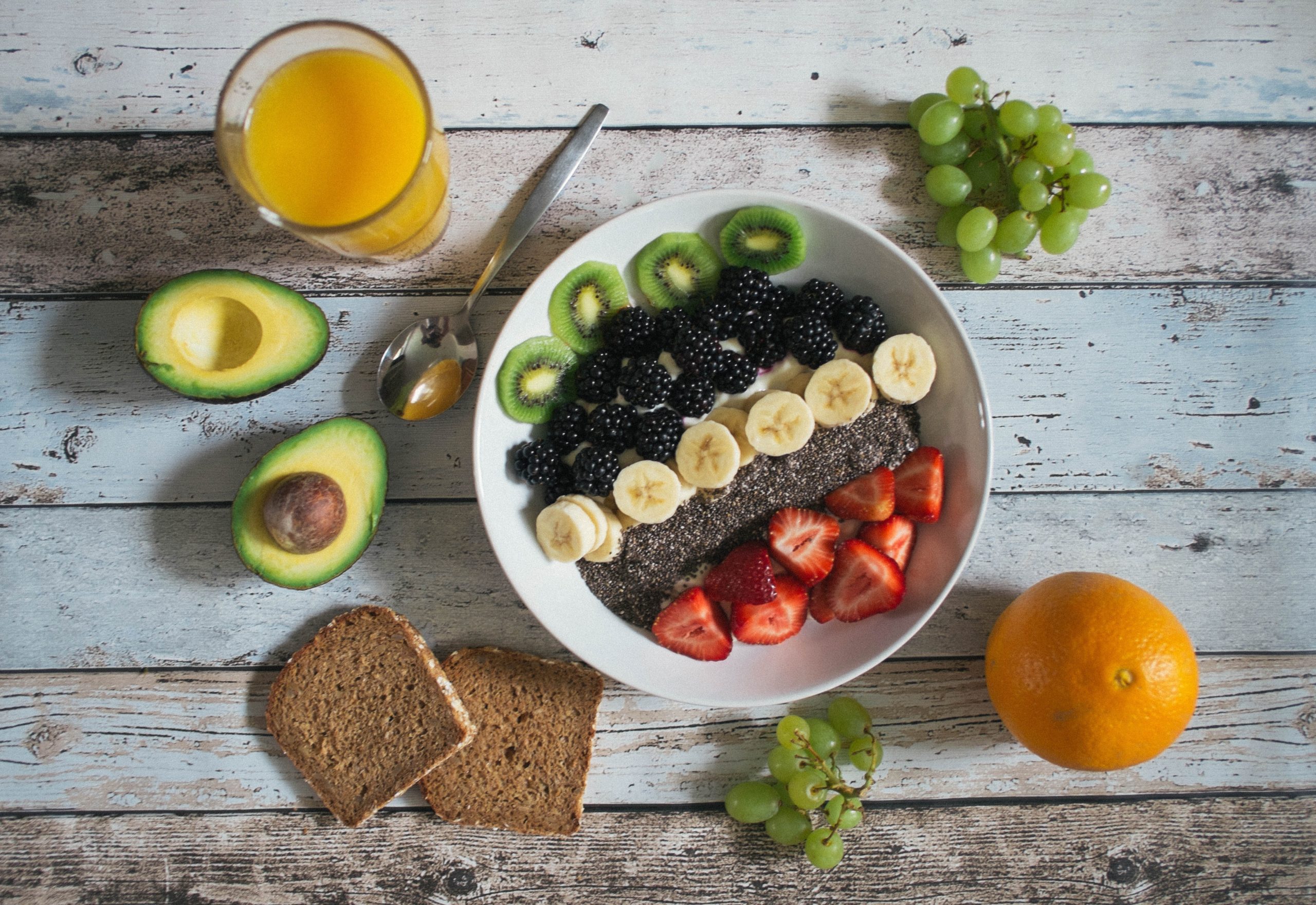
Functional Foods for Constipation – why fibre alone doesn’t always fix the problem
Constipation is one of the most common digestive complaints I see in clinic, and it’s often oversimplified. It’s also one of the more common health conditions that people put up with, sometimes for years.
Many people are told to just eat more fibre. But in reality, constipation is rarely caused by that one single factor of “not enough fibre”.
Your bowel function is influenced by:
- what you eat
- how regularly you eat
- hydration levels
- nervous system balance
- hormone changes
- gut microbiome diversity
- daily routine
- medication use
- activity levels
- toileting habits.
And importantly, different types of constipation respond to different types of foods.
What Are Functional Foods?
Functional foods do more than just provide basic nutrition. They contain specific compounds that positively influence health and body functions.
With constipation, there are functional foods that help your digestive system work more efficiently. They help restore bowel regularity because they work with the body’s physiology, gently improving stool consistency, supporting microbial diversity and helping the bowel regain rhythm. Rather than relying on harsh laxatives, these foods support the underlying mechanisms involved in healthy bowel movements.
The key is choosing the right type of fibre and introducing it gradually.
Not all constipation is the same
Constipation can show up in different ways. For example:
- slow bowel transit
- dry, hard stools
- feeling of incomplete emptying
- irregular bowel pattern
- bloating and discomfort
- constipation that worsens with stress
- constipation that begins after dietary change
- constipation linked with hormonal changes
Each pattern often responds best to specific functional foods.
Functional foods that gently improve bowel motility
Kiwi fruit
Kiwifruit has been shown in clinical trials to improve stool frequency and digestive comfort in individuals with constipation. It contains soluble fibre and natural enzymes that help stimulate digestive activity without being harsh. Kiwi is particularly helpful when the bowel feels sluggish or irregular.
How to use:
- 1–2 kiwi fruit daily
- many people find them most helpful eaten in the morning
- if you can tolerate eating the skins, then include but always start slow
Best suited for:
- slower bowel patterns
- irregular routine
- travel constipation
- stress-related digestive changes
Ground flaxseed
Flaxseed provides soluble fibre and mucilage, which form a gel-like consistency in the digestive tract, helping stools pass more comfortably. It also supports beneficial gut bacteria.
How to use:
- start with 1 teaspoon daily – must be freshly ground flaxseed
- gradually increase to 1–2 tablespoons
Add to:
- porridge
- natural yoghurt
- smoothies
- on salads
- mixed in curries/slow cooked meals
Best suited for:
- dry or hard stools
- low fibre intake
- hormonal constipation patterns
- women of all ages for hormone metabolism
Prunes
Prunes are one of the most researched natural supports for constipation. They contain fibre, sorbitol and polyphenols that help draw water into the stool and support bowel activity.
How to use:
- start with 1-2 prunes daily
- increase to 4–6 if needed
Best suited for:
- dry stool patterns
- slow transit constipation
- travel-related constipation
Dried Figs
Figs provide gentle fibre support and can help improve stool consistency.
How to use:
- 1–2 dried figs daily
- can be soaked overnight if preferred
Best suited for:
- mild constipation
- those wanting gentle food-based support
Oats
Contain beta-glucan fibre which supports stool consistency and feeds beneficial gut bacteria. They also support blood sugar balance, which can indirectly influence digestive rhythm.
How to use:
- 1/3 to 1/2 cup rolled oats daily
Best suited for:
- irregular eating patterns
- low fibre diets
- busy and stressful lifestyles that affect your nervous system
Psyllium husk (prebiotic fibre)
Psyllium is a soluble fibre that absorbs water, helping stool remain soft and easier to pass. It also acts as a prebiotic, supporting beneficial gut bacteria.
How to use:
- start with ½ teaspoon daily
- increase slowly to 1–2 teaspoons
- always increase gradually and ensure adequate fluid intake.
Best suited for:
- low fibre diets
- mixed bowel patterns
- medication-related constipation
Digestive symptoms are often your body asking for the right type of support. If you enjoy practical, evidence-based strategies for better health, you may enjoy my regular newsletter where I share simple nutrition and lifestyle insights for gut health, metabolic health and healthy ageing.
Join here to stay up to date with new articles and clinical insights.
Resistant starch foods that feed beneficial bacteria
Resistant starch behaves differently to most carbohydrates. It passes through the small intestine undigested and becomes food for beneficial gut bacteria in the colon. When certain bacteria ferment resistant starch, they produce short chain fatty acids such as butyrate, which help support bowel motility and gut lining health. Cooling foods after cooking changes the starch structure, increasing resistant starch content. Food sources include:
- cooked and cooled potatoes
- cooked and cooled rice
- lentils
- chickpeas
- slightly green bananas
- rolled oats
How to use:
- begin with small portions such as ½ cup cooled potato or rice added to meals.
Best suited for:
- sluggish bowel patterns
- post-antibiotic gut recovery
- low carbohydrate diets lacking fermentable fibres
Magnesium-rich foods that support muscle relaxation
Magnesium plays an important role in muscle function, including the peristalsis action of muscles in the digestive tract. Low magnesium intake can contribute to constipation by slowing muscle action down, particularly during periods of stress or hormonal change. Including 1–2 serves daily can gently support bowel regularity. Food sources include:
- pumpkin seeds
- almonds
- cashews
- spinach
- avocado
- legumes
- quinoa
- dark chocolate
Best suited for:
- stress-related constipation
- peri-menopause
- busy lifestyles
- muscle tension patterns
Polyphenol foods that support gut rhythm
Polyphenols are natural plant compounds that influence the gut microbiome and digestive signalling pathways. They can help support microbial diversity and encourage healthy bowel motility. These foods work best when eaten regularly rather than occasionally. Polyphenol-rich foods include:
- berries
- extra virgin olive oil
- green tea
- apples (with skin)
- cocoa
Best suited for:
- low plant diversity diets
- age-related slowing of digestion
- stress-related gut symptoms
How to introduce functional foods successfully
A common mistake is increasing fibre intake too quickly. A gradual approach tends to produce better results and less bloating.
- Start with one food only.
- Increase the amount slowly over 1–2 weeks.
- Observe how your body responds before adding another food.
When constipation needs a more personalised approach
Sometimes constipation persists despite increasing fibre and eating functional foods. This may occur because of underlying factors like:
- microbiome imbalance
- thyroid changes
- hormonal changes
- long-term stress patterns
- pelvic floor dysfunction
- medication influences
- very low calorie diets
In these cases, a more personalised approach is needed. Here’s how I can help:
- Book in for a quick free chat to find out your next steps in getting your digestion back on track – click here
- Book in for a consultation to get to the bottom of why you are constipated – book on-line here
- The Metabolic Balance Program helps you to get back to optimal health including digestion – click here for more information
Catherine x
Want more practical strategies for improving gut health?
If you’re keen to learn how food can support digestive health, you may also enjoy these articles:
You can also join my newsletter for practical, evidence-based strategies that support gut health, metabolic balance and healthy ageing. Sign up here